Article
Open to Everyone, as Long as You’re Open to Everyone
How a Hackney Wick nightclub is building community through its booking policy, its access scheme and an open-door ethos.

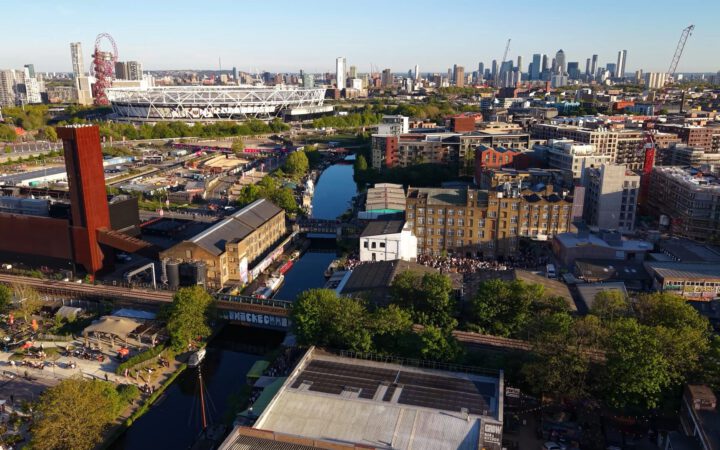
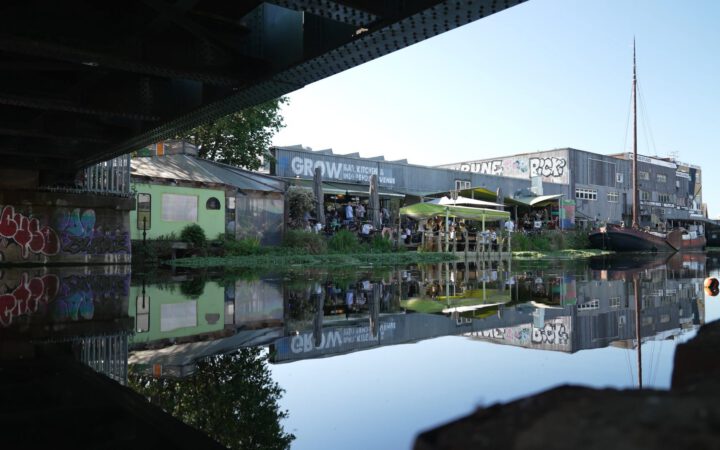
Situated in Queens Yard, in an old industrial building like many venues in Hackney Wick, you will find Colour Factory, a multifunctional live music venue proving that a nightclub’s responsibility doesn’t stop at its dancefloor, but extends to its wider community.
“We are a nightclub, live music venue, food court and multi-functional events space in Hackney Wick. We advocate cultural diversity and offer an all inclusive environment in which everybody is welcome.” – Colour Factory
What makes Colour Factory different is that it never treated its community mission as something to add once the business was on its feet. Inclusivity has been put into practice since day one.

As owner Nathanael Williams puts it, the venue runs on one core message:
“Colour Factory is open to everyone, as long as you are open to everyone.”
For Colour Factory, inclusivity isn’t just a value stated in a mission statement, it’s a booking policy, applied consistently even from the venue’s earliest nights.
“When we first opened Colour Factory, we always put one marginalised person, marginalised community on the lineup. And by doing that we were able to foster a community that really trusted us.”
Across its club nights, live music and daytime events, the venue has kept building lineups around the same principle. This has now created such a vibrant and rich community of creatives and people who want to simply be themselves and enjoy good music.

Nathanael is clear that this isn’t just an ethical stance, it’s a historical one. The genres that fill dancefloors today were shaped by the communities that venues like this protect.
“Marginalised communities are responsible for music globally. The foundations of dub music and house and techno. This was started by black and queer communities. And if spaces like this disappear, there’d be no festivals, no ‘top’ streamers on Spotify, no Justin Bieber — these places have to exist.”
That same thinking extends beyond the lineup and into access on the dancefloor, with Colour Factory running an access scheme that lets people with disabilities and/or long-term medical conditions bring a personal assistant or support worker free of charge.
To arrange this, email welfare@colourfactory.com.
Built with the Same Bones as its Neighbourhood
If you know anything about Hackney Wick, you will know it’s a pocket of London that has always welcomed and fostered a community of artists and creatives and continues to do so, as industrial spaces continue to be transformed into venues, cafes, bars and restaurants.
The success of Colour Factory, like Hackney Wick itself, could be attributed to the fact it has never pretended to be something it’s not. It has embraced the gritty, the unfamiliar and the raw authenticity of what it is.
“The soul of Hackney Wick is creatively driven. It’s driven by artists that are not doing it for money, but doing it because they love what they do. And I think it’s something that will never die in Hackney Wick”. Nathanael says.
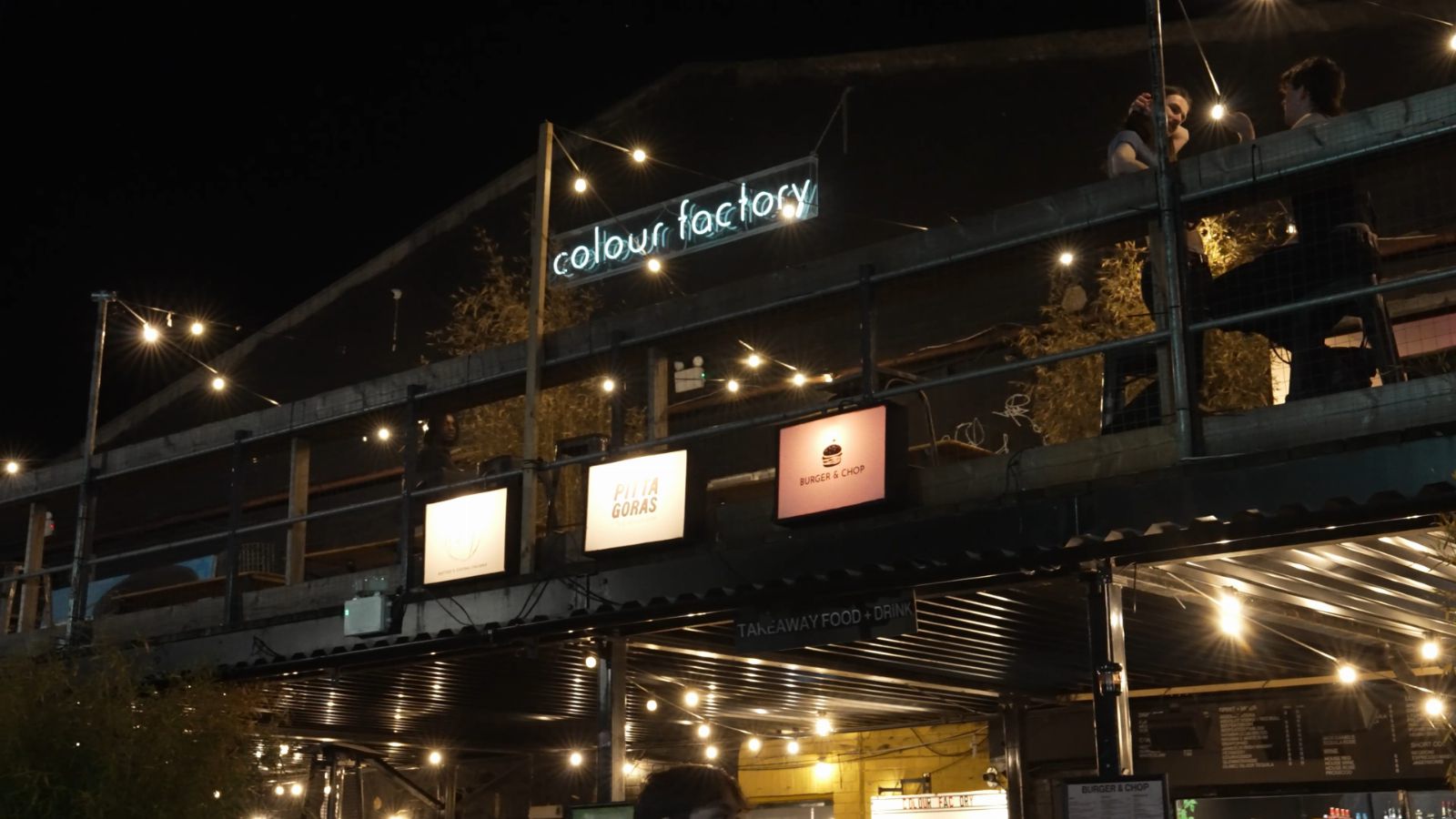
Before it was Colour Factory, the building was known locally as Mick’s Garage, an old industrial warehouse tucked into Queens Yard, the same kind of space Hackney Wick has become known for vibrantly reinventing, from the yard to the Canal.
“I was in the fortunate position of being able to take this space during Covid. I did it on my own. We did it on an absolute shoestring. There was no millionaire coming in saying here’s 100 grand to start a venue. Which is how a lot of venues in London start”. Nathanael shares.
“It’s only now that the cobwebs and chewing gum that we stuck this place together with are just about dissipating, and were able to just get on our feet”. He adds.
What London Nightlife Can Learn from Colour Factory
The community and space that Colour Factory has forged and fostered is proof of what nightlife venues are all about, and it’s taking it back to a time where these spaces were the areas where anyone could be authentically themselves, and it’s an energy we need to get back to.
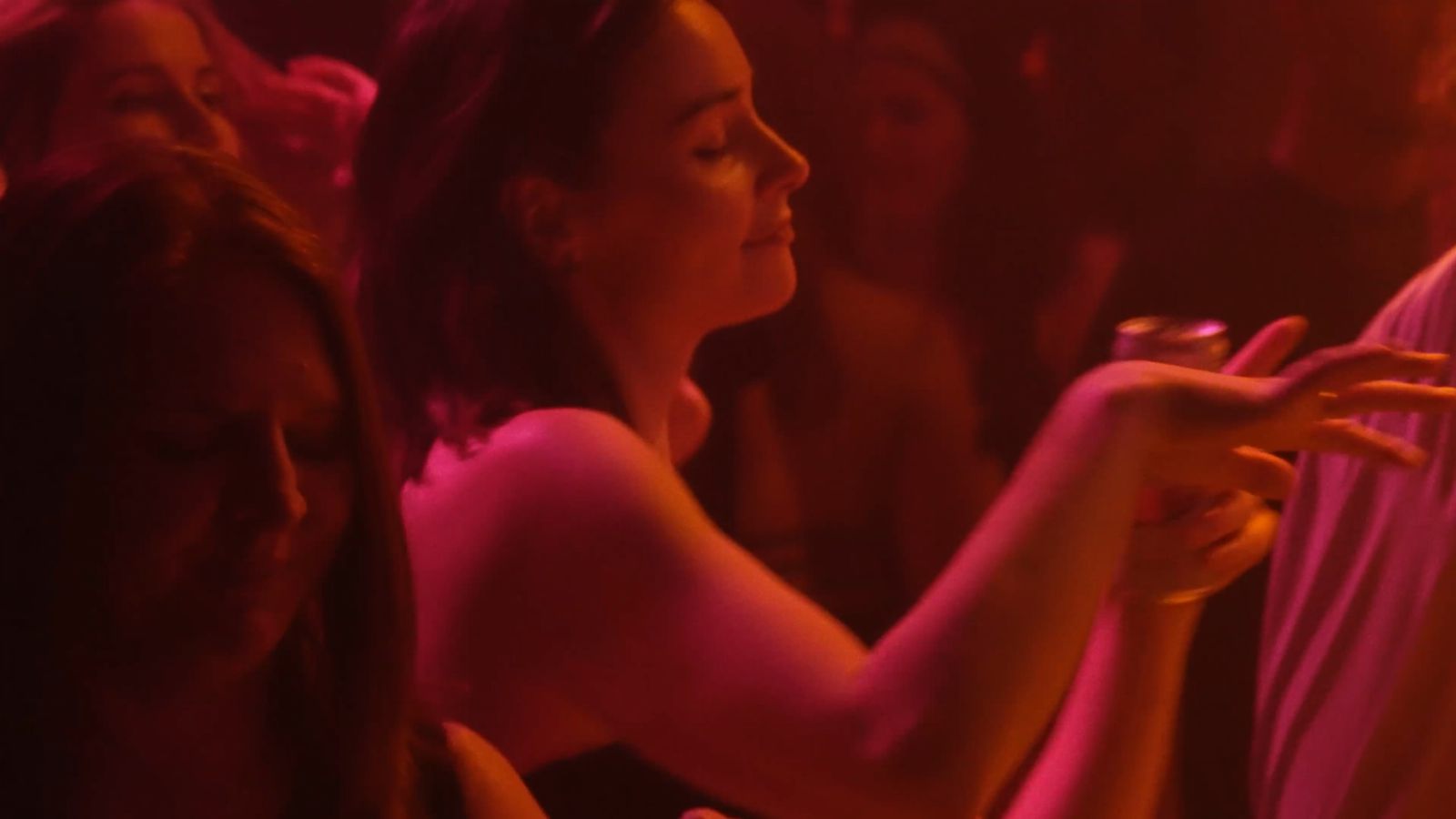
Nightlife venues are for the selfless expression that you get when you’re moving on a dancefloor surrounded by others doing the same.
But Colour Factory’s practice of culture first, everything else second, is proof that there is something deeper that people are crying out for.
Maybe that’s the real lesson Colour Factory offers London nightlife: that a venue’s longevity isn’t built on its biggest night, but on whether you can create a space that the people who show up trust it’ll still be the same and you’ll be looking out for them the next time.
It’s also, in its own way, a very Hackney Wick solution to getting nightlife back to its roots. The neighbourhood didn’t become what it is by polishing itself into something more marketable, it became what it is by staying gritty, staying artist-led and staying authentically who it is.
Perhaps the best way to sum up Colour Factory is how Nathanael describes Hackney Wick:
“It really is a cultural jackpot, and it’s not going anywhere, anytime soon.”