Article
Two More Years: A Community Built on Borrowed Time
Development is moving faster than ever in London. Can a neighbourhood keep its character, or will it only be replaced?
Across London, bars, clubs and hospitality venues are being phased out by development and replaced with new storefronts in the basements of large, minimalist apartment blocks. Most new residents will embrace the areas they move to, and new investment brings real benefits. But when it comes at the cost of the places that made an area desirable in the first place, it raises a question:
When a vibrant neighbourhood is developed, how do we strike a balance between preserving old buildings and watching the area get flattened by cookie-cutter new builds?
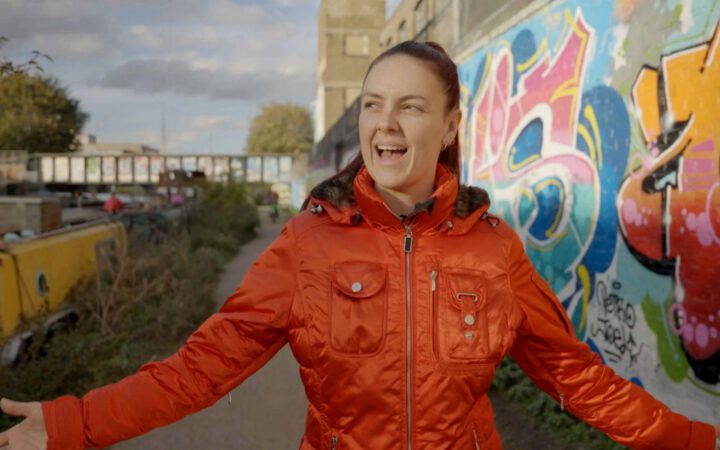
We sat down with Dan Howells, co-owner of Two More Years, a reworked warehouse cafe, bar and co-working venue on Fish Island in Hackney Wick. Its business model and philosophy are all about breathing life into an old building, as an operating ‘meanwhile space’ venue.
Breathing Life into an Old Building
‘Meanwhile spaces’ are venues that operate in the gap between a building sitting vacant and its eventual redevelopment.
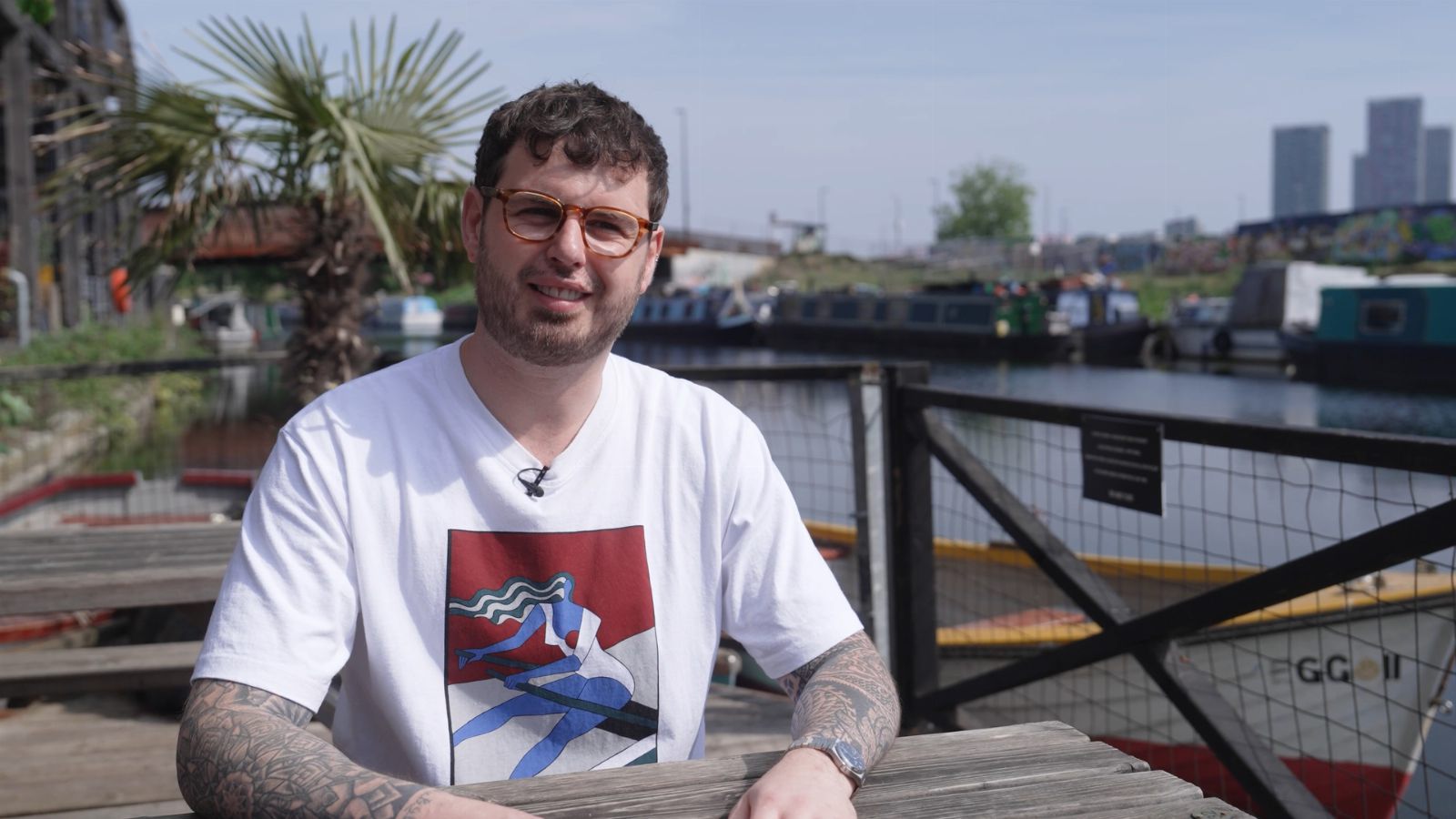
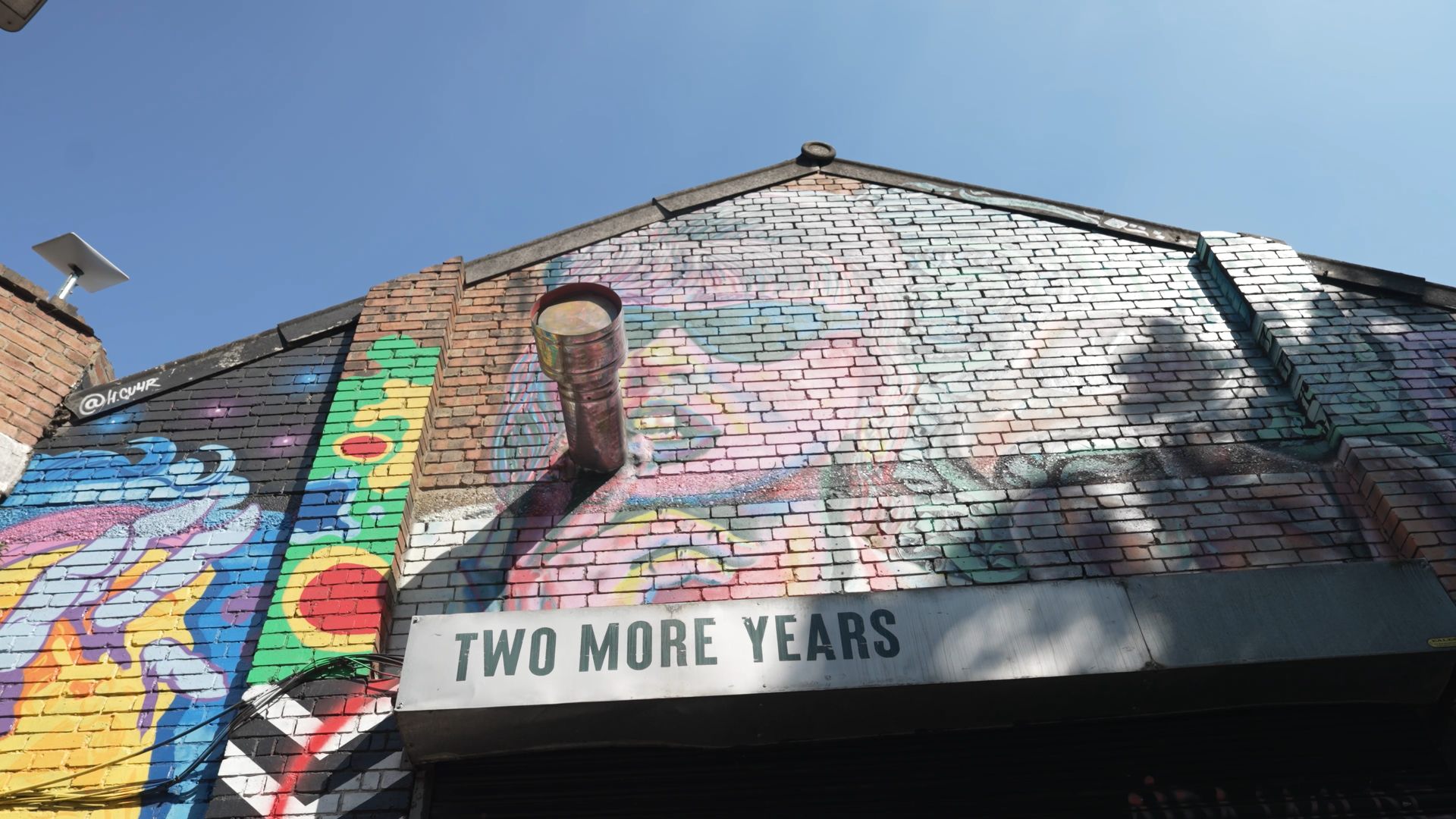
When Dan and his co-owner Josh Bowels took on the premises, they were signed to a two-year lease. To keep squatters out of the space, the pair got a graffiti artist to tag “Two More Years” out the front, and the name just stuck, which only added to its indie charm.
“Landlords buy property to sit on until the time is right to develop them, so what comes with that is an old building with character that needs a temporary usage within it. And I think those are the buildings that have the most personality, that’s what creates the vibe in it, that’s what makes it feel special” Dan shares.
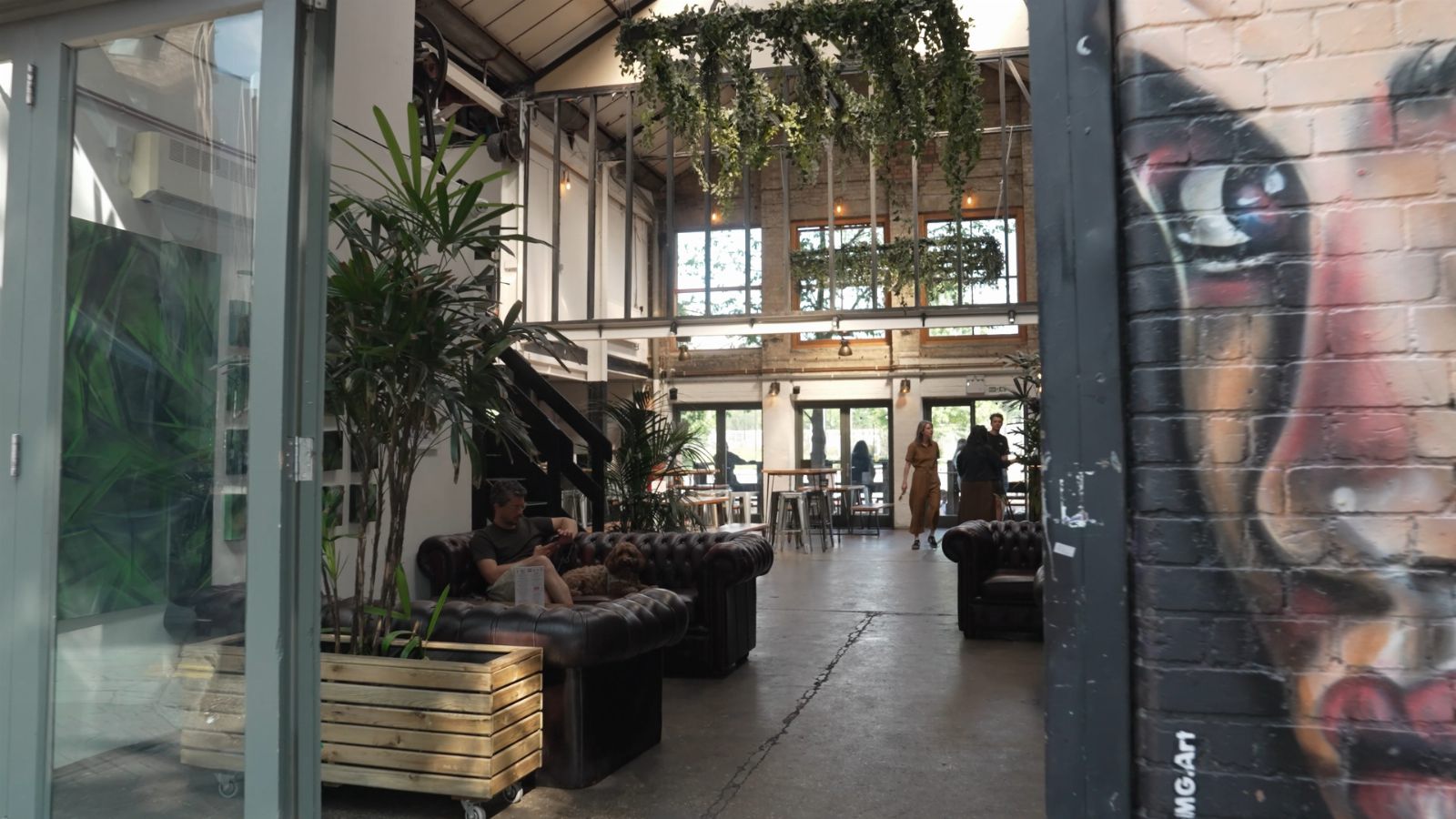
Meanwhile spaces present a fantastic opportunity for developing neighbourhoods to harness and cultivate their creative spaces, giving people with budding business ideas the chance to cut their teeth on a temporary lease. But what happens when the venue kicks off and becomes a vibrant space the community knows and loves?
“The catch 22 is that we signed the lease on the understanding it would be a two year lease, but now that we are here we really feel we are an important part of the culture and community” Dan adds.
Four and a half years on from that original two-year lease, Two More Years may soon have to move on to make way for incoming development.
“I would be sad to lose this. I am really proud of what we have built and what we have done. On the other side, it was what we signed up to all along. We are lucky to have been here as long as we have.”
Character vs Copy and Paste
Hackney Wick is a textbook example of the cycle vibrant neighbourhoods get stuck in. Its large industrial warehouses first drew in creatives, attracted by cheap, spacious buildings where they could build a community. That creativity made the area vibrant, which drove up land value, which created an opportunity for developers. More people followed, keen to move to what had become a cool, authentic neighbourhood, pushing prices up further. Inevitably, the people who made the area cool get priced out of it.
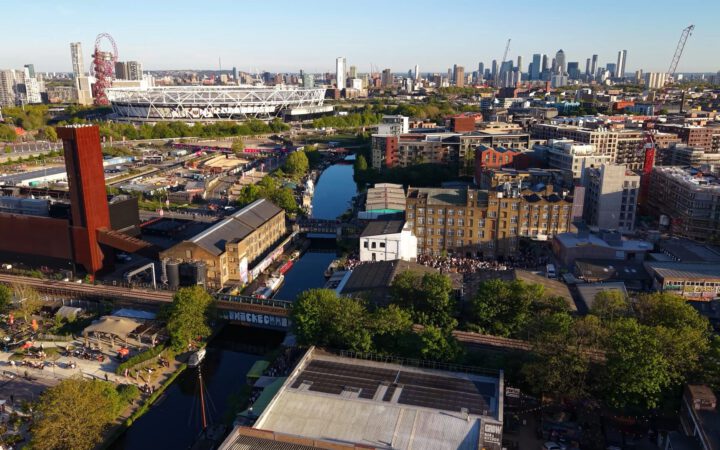
The area has been transformed over the last decade, accelerated by the Queen Elizabeth Olympic Park next door. What began as Olympic infrastructure in 2012 has since grown into permanent housing, transport links and cultural venues, bringing major investment and a wave of new residents. That is a success story worth celebrating. But as we have seen elsewhere in London, development only works if it doesn’t come at the cost of the creative and community hubs that made the area desirable in the first place.
And the pressure is not abstract. New apartment blocks are going up directly in front of Two More Years, a reminder of what the area stands to become if more of its old buildings go.
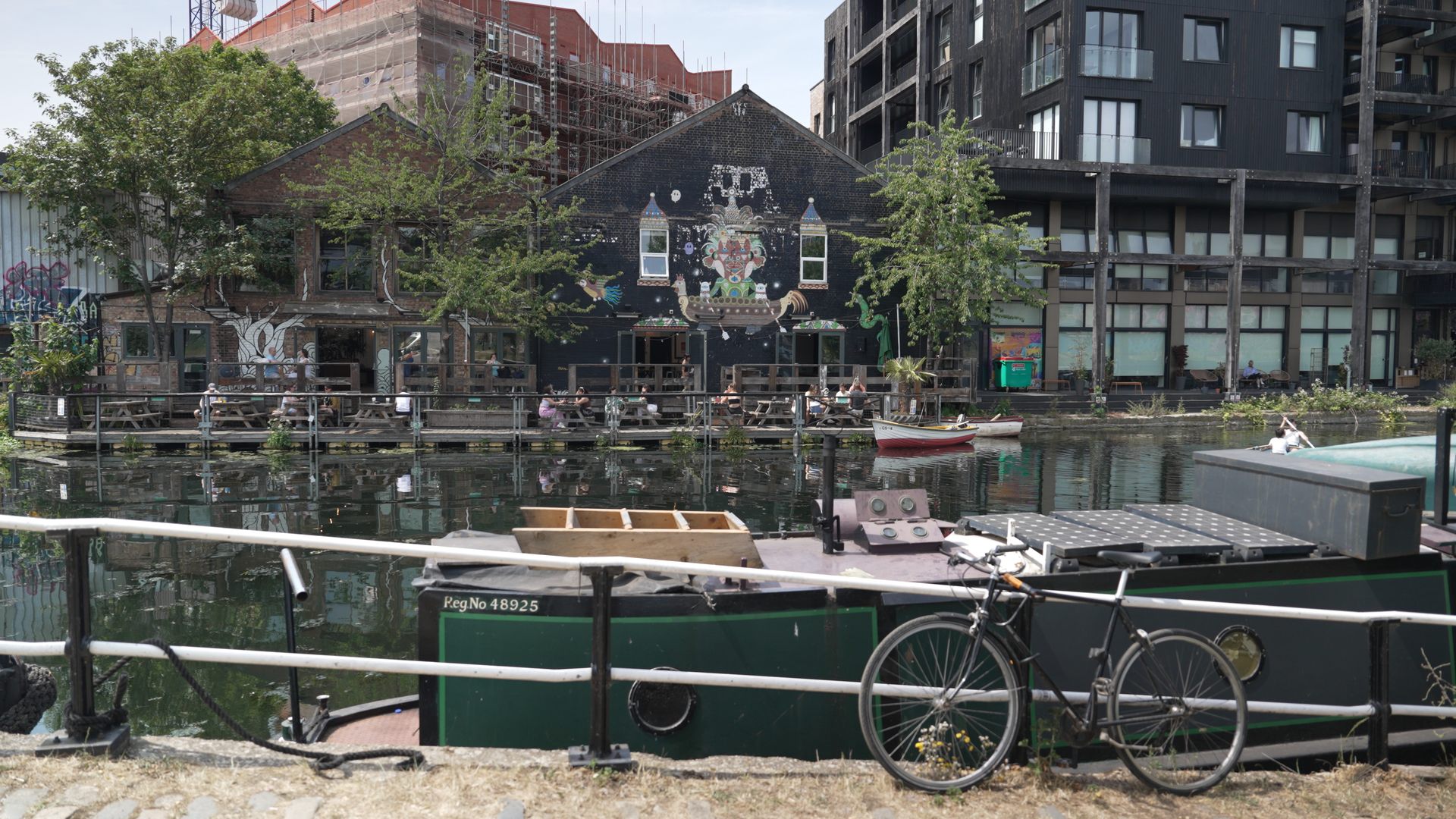
“You need things to be improved for when there are new people around, but you also need to be considerate to the pre-existing communities and businesses. There needs to be a line that’s drawn somewhere. Both for the survival of the existing communities and businesses but also for the interest for the people that move to the area” says Dan.
“I feel generally speaking a lot of the new build units are somewhat lacking personality, lacking character, lacking soul. I think something that has worked really well for us is breathing life into a characterful old building” Dan adds.
“Whether you live in a warehouse or you live in a new build, the main reason you come to Hackney Wick is for the atmosphere, for the vibe — for the feel of the place.” Dan says.
One of the Last Warehouse Community Hubs on Fish Island
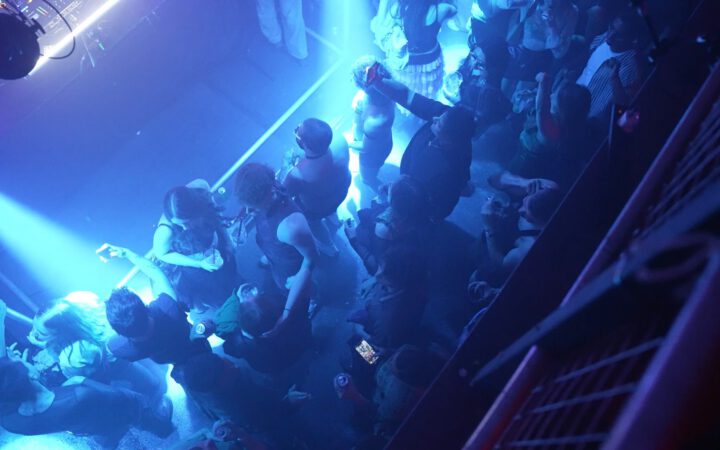
Two More Years sits on Fish Island, one of the main cultural hubs of Hackney Wick, an area full of warehouse communities, art spaces and music spaces. Fish Island has always been a quirky, heaving spot filled with DIY nightlife and creative culture. But Two More Years’ time is slowly running out.
“We love what we have created here. We are one of the last community spaces in an old warehouse on Fish Island, and when this is gone, the only spaces remaining for people to come together will be in the basement of new buildings. They don’t have the same personality, they don’t have the same character. They don’t have what people move to Hackney Wick for”.
“And when all of that is gone and it’s just rows and rows of matching residential buildings like you could find anywhere in London. It won’t be the same place. If this happens, where will people go for that community?” Dan notes.
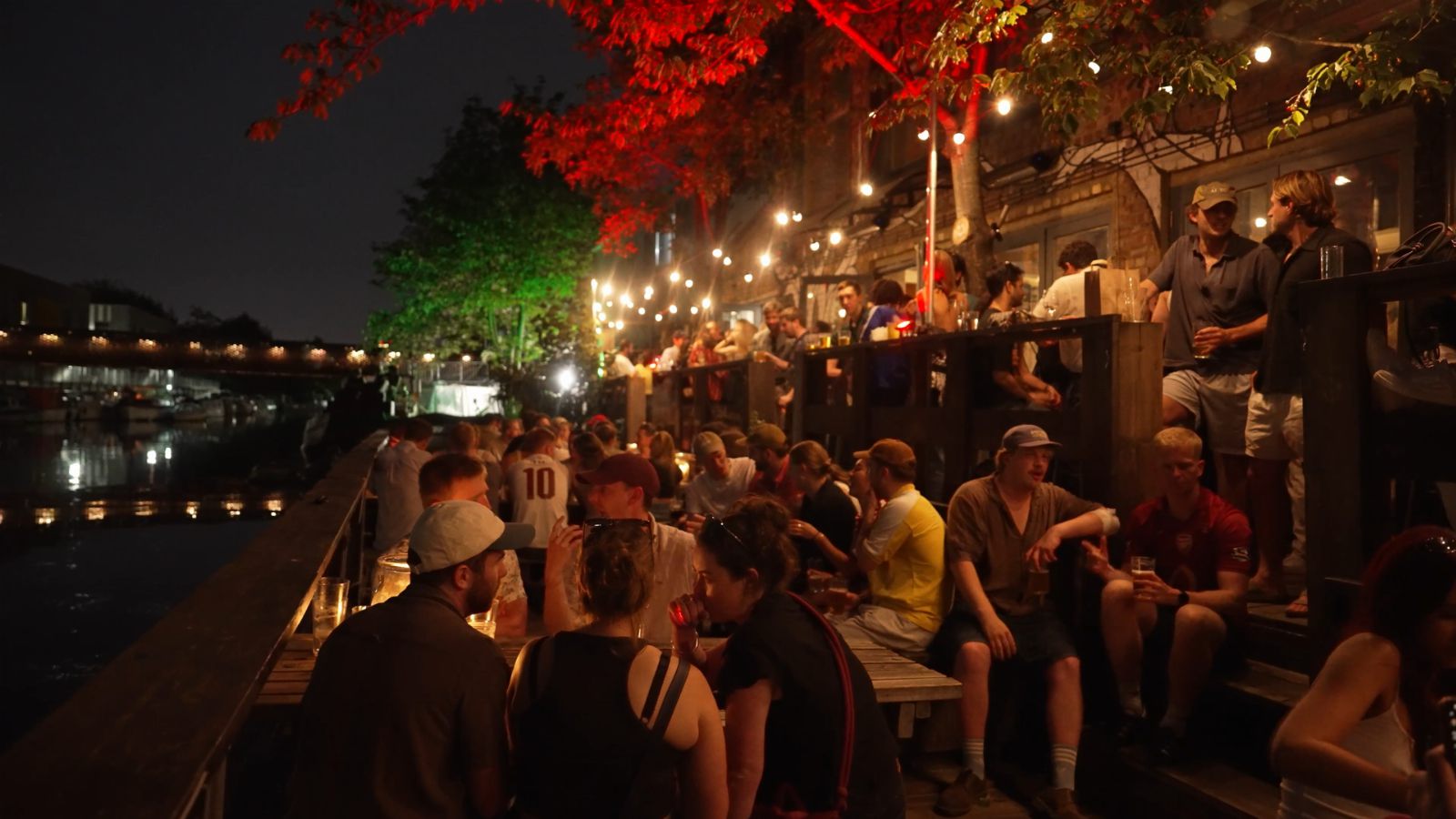
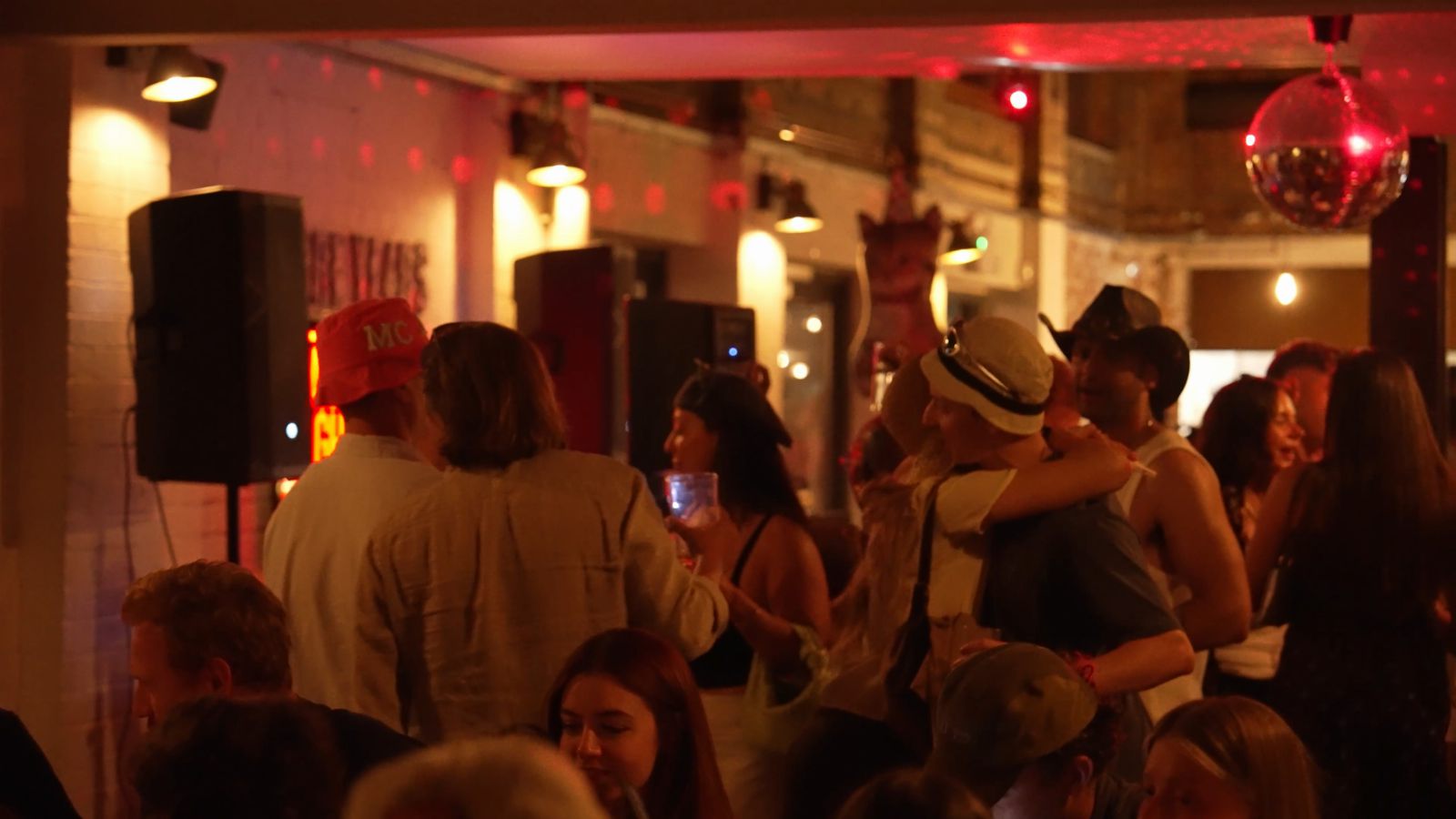
For Two More Years and other venues that operate within ‘meanwhile spaces’, the lease may be running out, but the philosophy isn’t.
“We now have experience and ideas that we can take to another spot, and we can breathe life into another old building, and maybe be a part of another community somewhere else.”
The question for London’s nightlife is whether there will still be old buildings left for it to find.