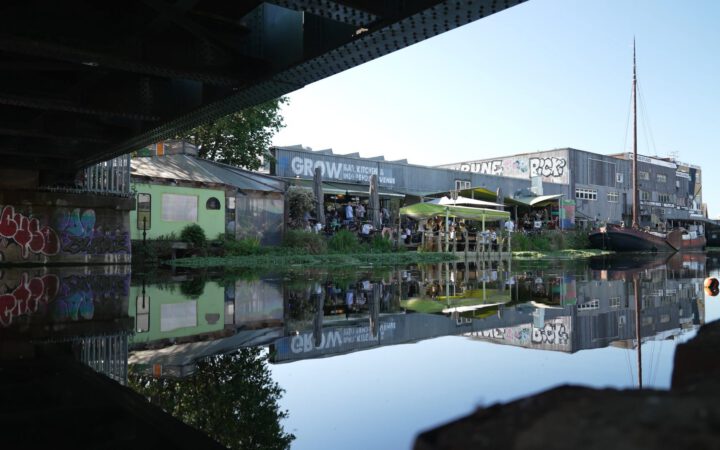
Article
Don’t Move to Hackney Wick If You’re Going to Complain About Noise
The vibrant area of Hackney Wick London, is set to welcome 5,000 new neighbours. Here's what local nightlife venue owners think about it.
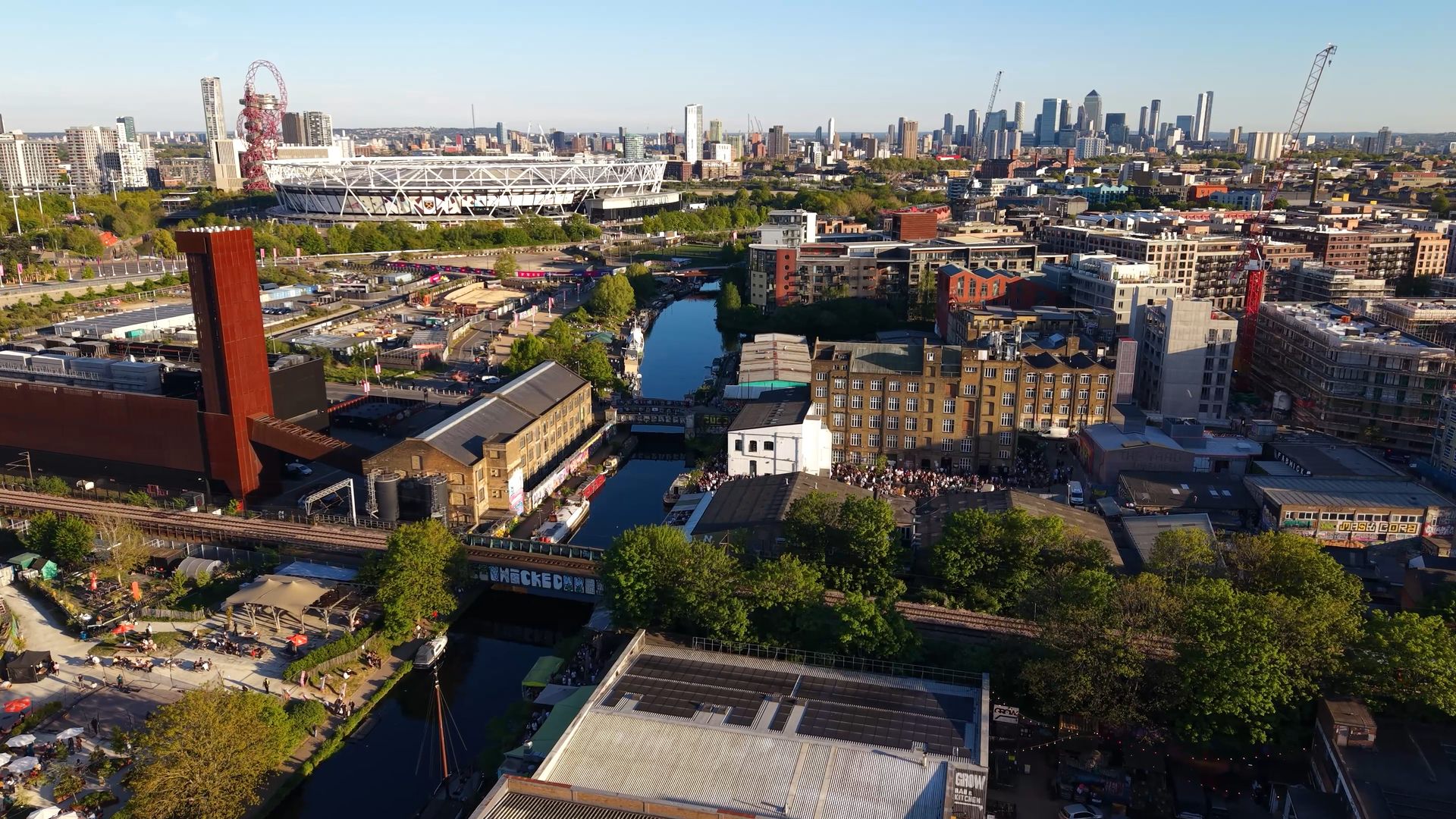
Watch
-
The best area in London?
-
If you don’t like nightlife
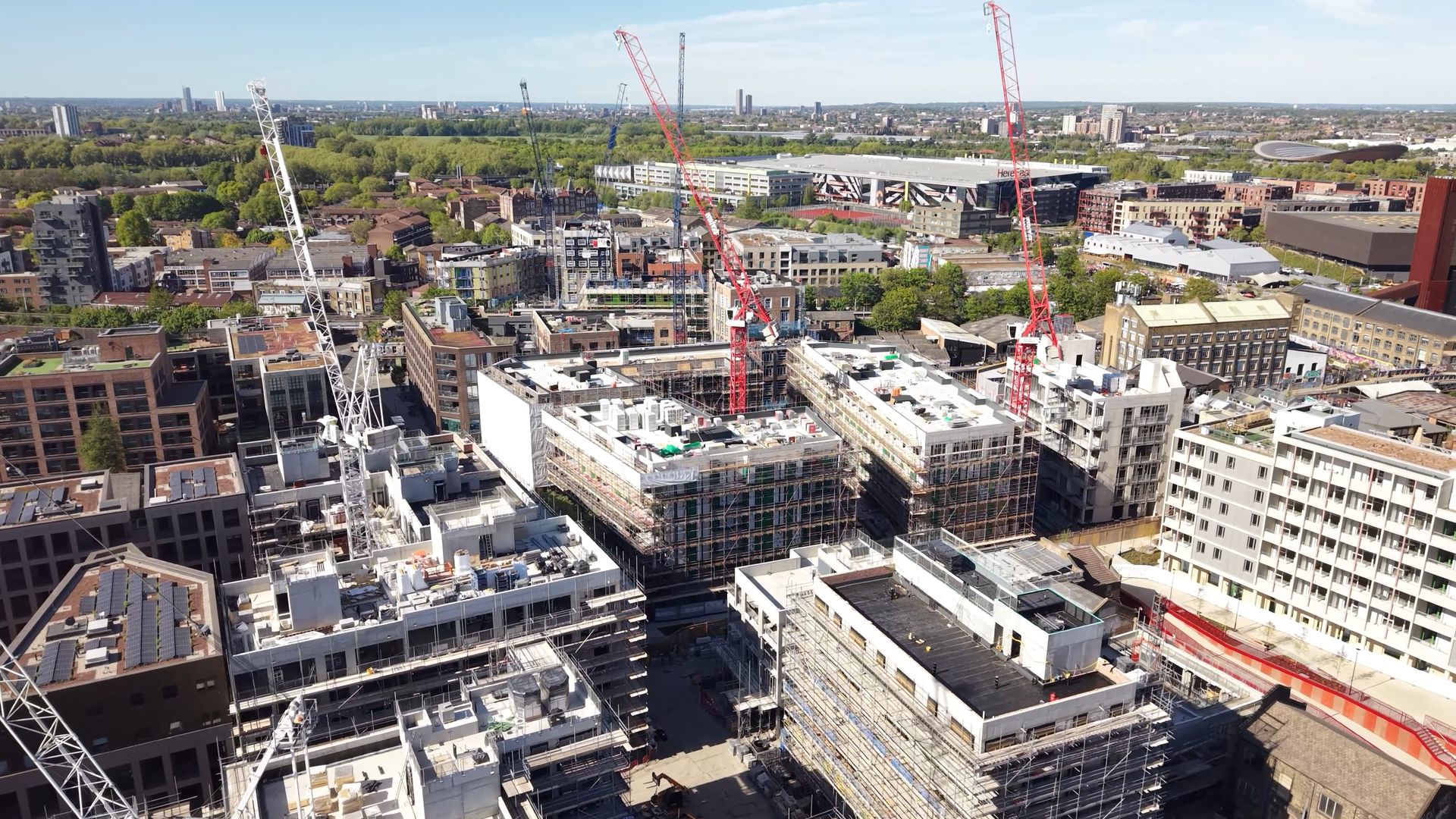
For an area built on 90’s squat raves, warehouse venues and a scene that grew on the loose strategy of ‘being a place where creatives could create, for creative’s sake’, the new development brings with it an old tension: what happens when the people drawn to the vibe of the area, are also the ones who might complain about it?
The vast majority of new residents will embrace the area they’ve been drawn to, but it only takes a handful of complaints, sometimes just one person, to shut a venue down.
We sat down with nightlife venue owners here in Hackney Wick, to hear their thoughts on the contentions of gentrification in vibrant areas. Here’s what they had to say:
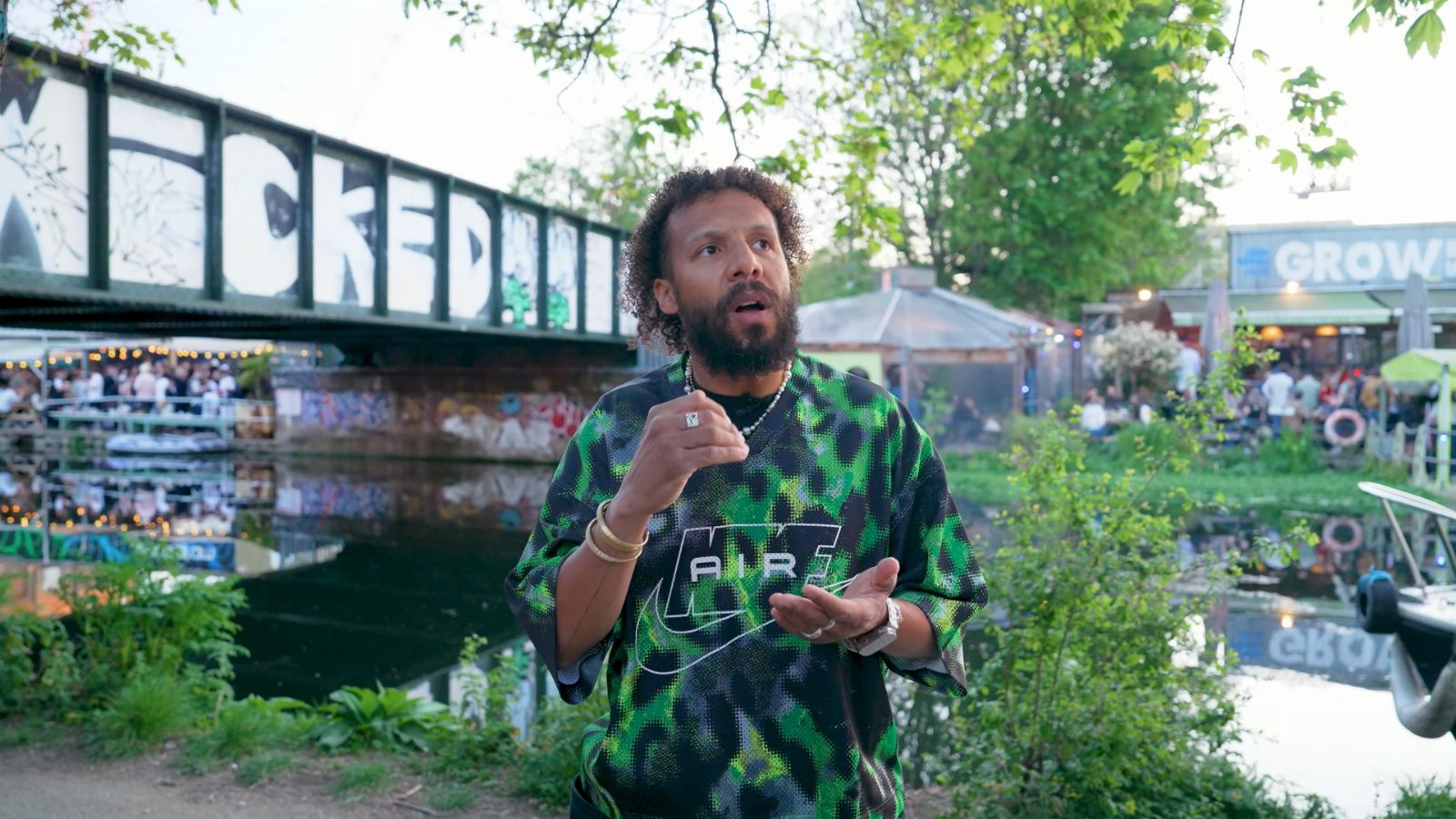
“If you’re moving to Hackney Wick, first of all, welcome to Hackney Wick – you made the right choice. But please don’t call the council and complain about the sound.”
Nathanael Williams, owner of Colour Factory, a nightlife venue in Hackney Wick, and a member of both the London Nightlife Commission and the London Nightlife Taskforce, shares that he doesn’t want new residents to be confused or unsure of what they are signing up for.
“It really depends on the neighbours. You know I think that there are examples in London whereby neighbours and local festivals and other nightclubs don’t have that cohesive bond that they should have” he says.
An example for this would be to look at what’s happening in Soho, where nightlife is under unprecedented threat. Recent proposals have included a block on new nightlife venues, restrictions on standing at the bar, and designated “core hours” for operating.
Hackney Wick’s identity is its noise, its energy, its late nights— this is the reason it has become such a cultural hot pot, and it’s something that can be affected by the new development.
“I’m hoping the developers are now able to inform our new neighbours and residents that they’re moving into a vibrant area, where you can’t always expect the privilege of silence — and therefore I’m hoping that we’re going to get on very well.” Nathanael adds.
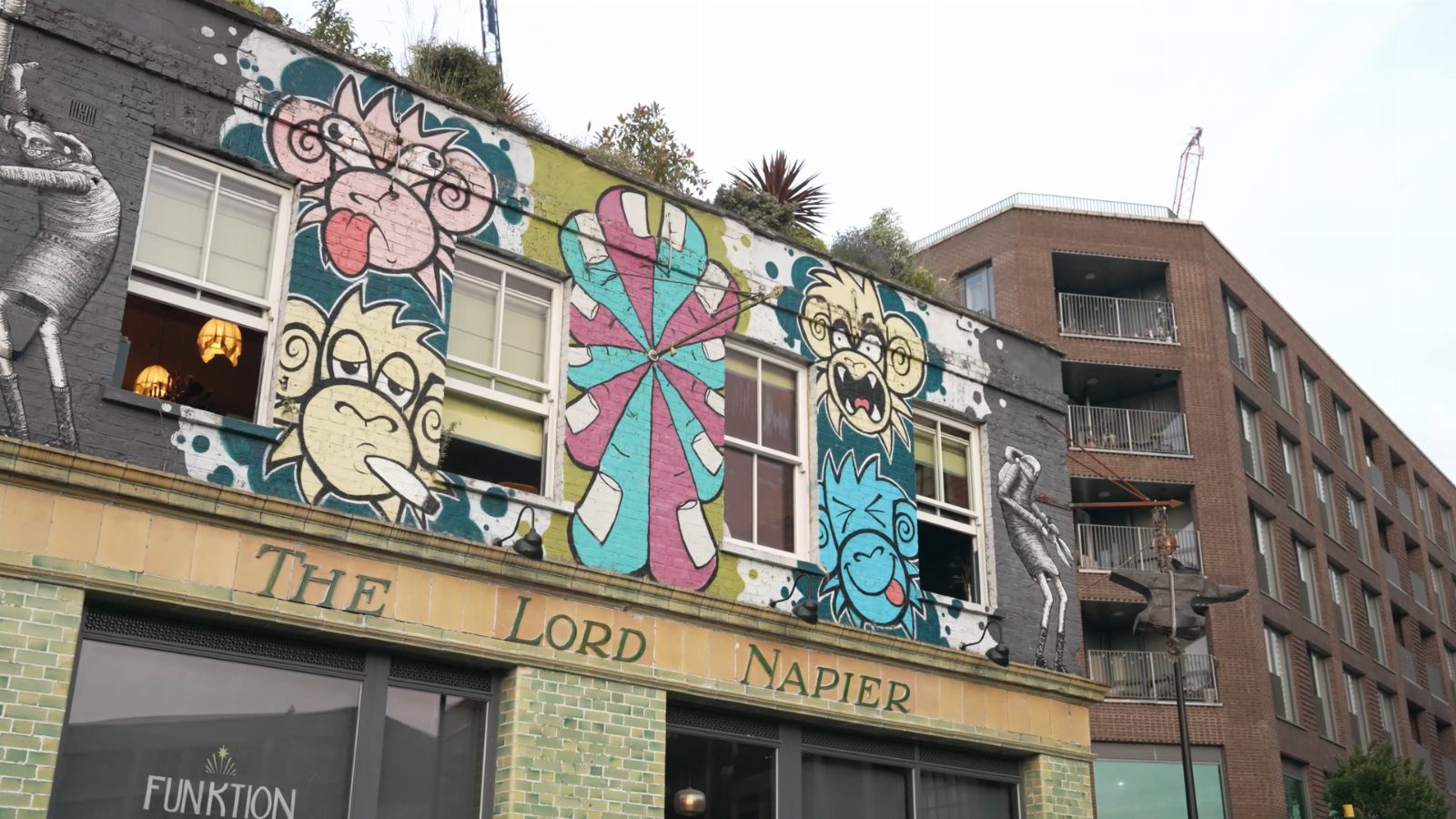
He’s hopeful the London Nightlife Taskforce’s recommendations can push developers to treat nightlife as culture worth protecting, not a liability to manage around.
As Nathanael puts it: “It’s an age-old story, you have an area that’s super vibrant, and then you have lots of new residents moving in, then you have heaps of noise complaints”.
But this begs the question: can the culture that Hackney Wick is known for survive when so many new people are introduced?
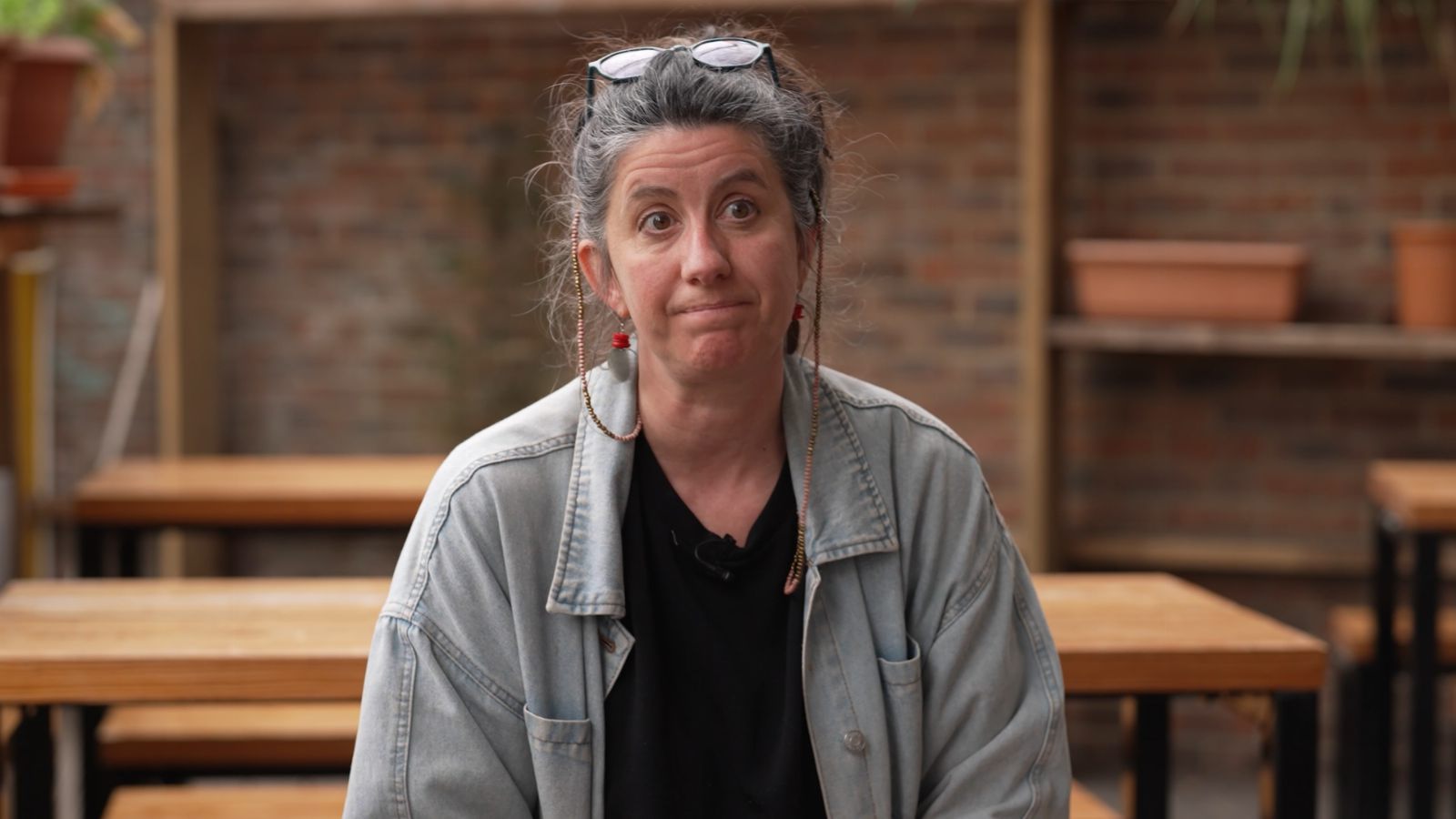
“The moment you walk out the station at Hackney Wick, your senses are alive,” shares Jordanna, from GROW Hackney Wick, a creative canal side studio, bar and restaurant venue.
“There’s colour with the graffiti murals. There’s intergenerational people from all walks of life going to different events — it’s kind of exciting, and you can feel the energy in the air.”
Jordanna is also candid about the risk that comes with rapid growth: new residents might not understand what they’ve moved into, or why it matters.
“There is a real risk of noise complaints. Hackney Council has been extremely supportive. They have this great initiative called Hackney Nights, in which they work very closely with venues to get to the bottom of these complaints, and when there is an issue, it can also be resolved. They have been great negotiators in that sense.”
The main concern for a lot of venue owners is that they welcome the opportunity of improving the area and having new residents, but they don’t want that to mean the culture and essence of Hackney Wick’s identity is then negatively impacted.
“I hope it keeps the diversity, that intergenerational [mix]. I’m a big fan of people of all ages coming together, from all different backgrounds, and being together.” Jordanna adds.
A lot of venue owners in Hackney Wick share the same conclusion from different directions: for vibrant areas growth isn’t the enemy, but it has to come with infrastructure and consideration for what’s already there.
“There are now lots of people that want to move to the area, so you need infrastructure to keep up with that. For the increased population, you need transport links, you need things to be improved when there are more people around. But you also need to be considerate to the pre-existing communities and businesses.” Jordanna from GROW Hackney Wick adds.
Few venues have watched this cycle play out up close, like Hackney Wick’s Two More Years. Tucked into a converted warehouse on the canal, it’s equal parts bar, music venue and creative studio space. For co-owner Dan, the question is no longer whether the area will change, but how much of it will be left when it does.
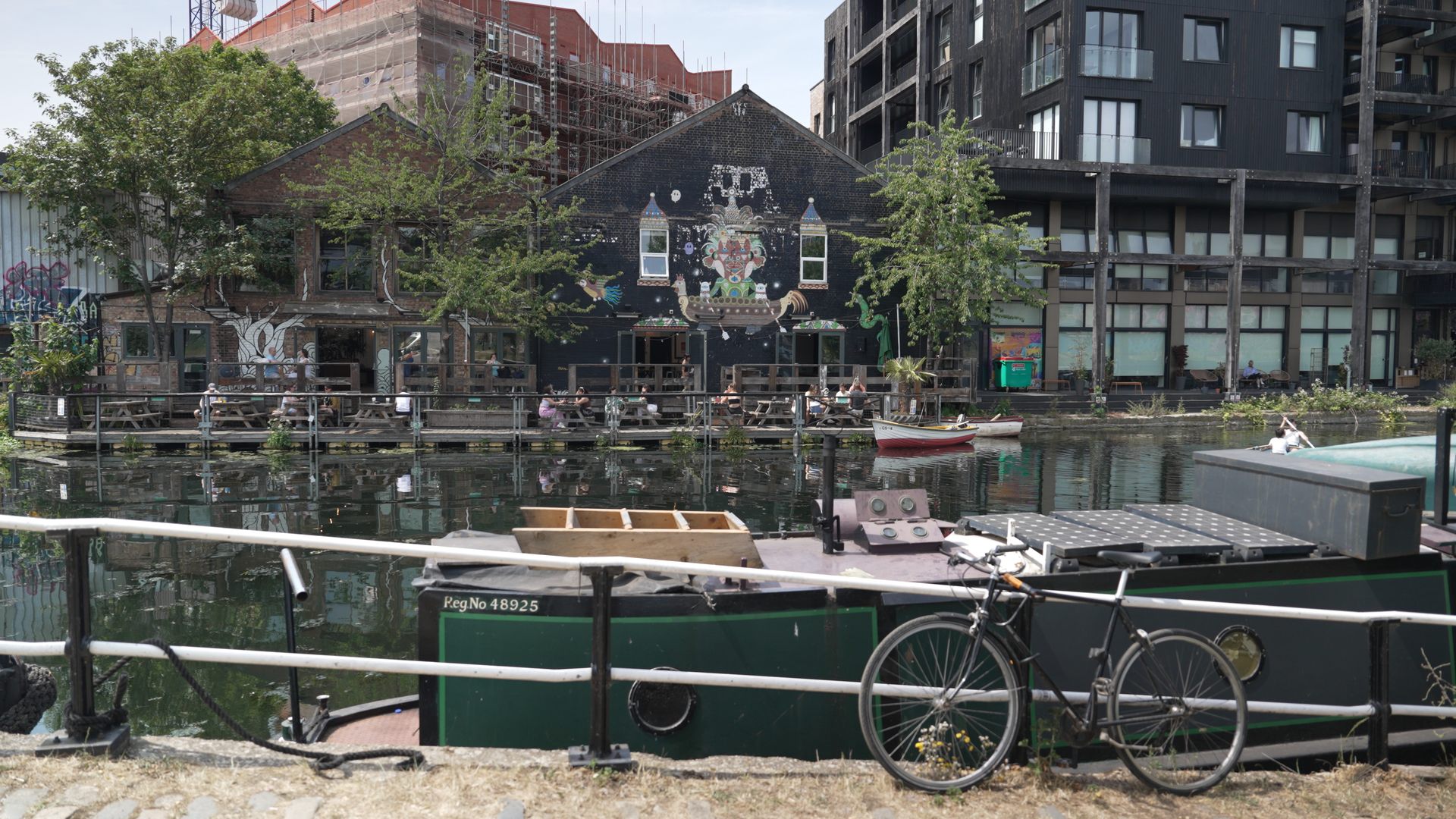
“There needs to be a line drawn somewhere, for both the survival of existing communities and businesses, and also for the interests of the people that move to that area. Because if you move to that area for the atmosphere, for that vibe, and then it is taken away — what is the place? What does the area have left?” — Dan, Two More Years.